
The Silent Threat: A Fall Water Damage Checklist for Chilliwack Stratas
When the Rain Becomes a Risk
As October 15th, 2025 rolls by, Chilliwack is fully embracing its autumn character: cooler temperatures, shorter days, and persistent rain. For strata corporations, this seasonal shift marks the beginning of "water intrusion season"—the highest-risk period for leaks, floods, and costly damage.
Most catastrophic water damage events don't start as a sudden disaster. They begin as small, overlooked maintenance issues that are stressed by heavy rainfall and temperature changes. A missing shingle here, a clogged gutter there—these minor problems compound quickly when the Fraser Valley weather turns wet.
The Proactive Approach Saves Money
This guide is your proactive checklist. We'll uncover the 5 most common points of failure in strata buildings during the fall and provide actionable steps to help you mitigate risk, protect your property's value, and avoid a winter of restoration headaches.
Area 1: The Roof, Gutters, and Downspouts
The #1 Cause of Preventable Water Damage
The Risk:
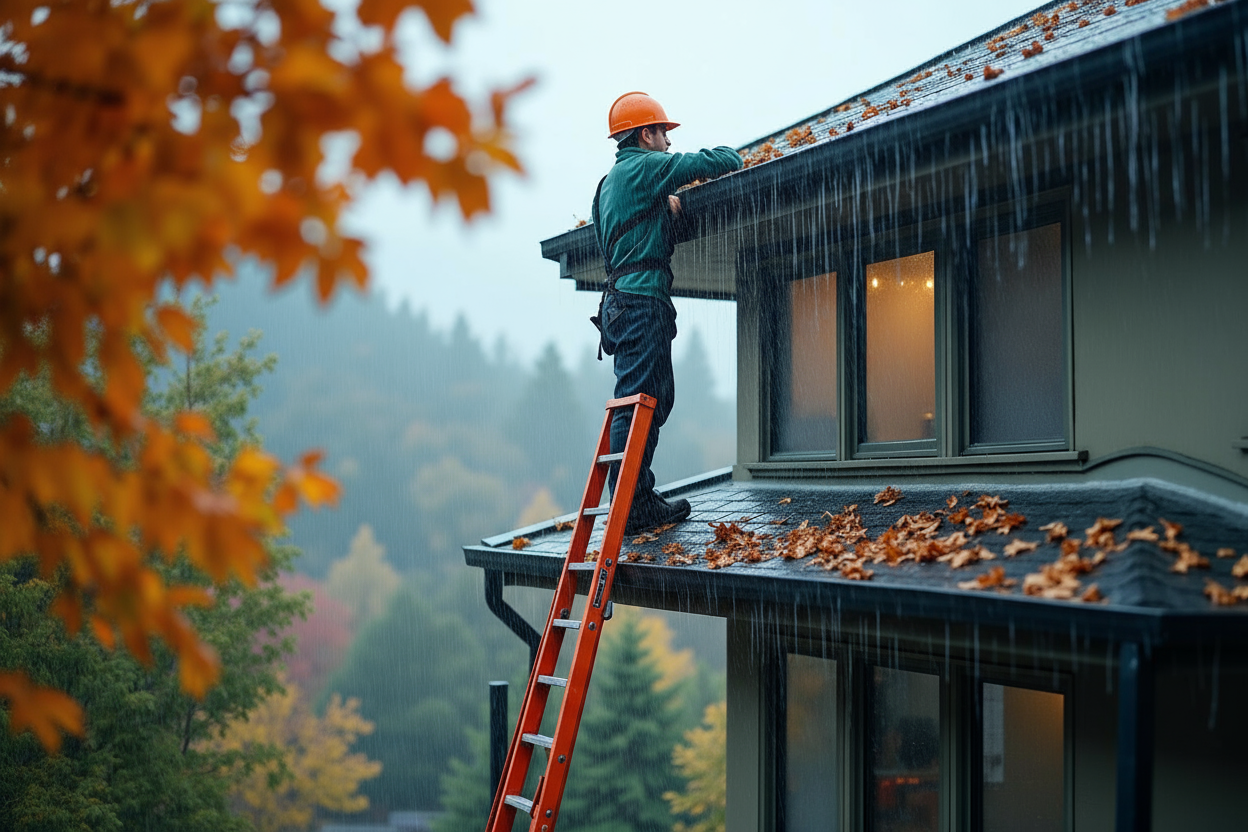
Clogged gutters are the #1 cause of preventable water damage. When water can't drain, it overflows behind siding, into soffits, and can even penetrate the foundation. A small roof leak can saturate insulation and drywall for months before it's noticed—by which time you're dealing with thousands of dollars in mold remediation and structural repairs.
Actionable Steps:
- •Schedule a professional gutter cleaning now before winter storms hit. Don't wait until November.
- •Visually inspect the roof (with binoculars from the ground for safety) for missing shingles or damaged flashing around vents and chimneys.
- •Ensure downspouts are directing water at least 6 feet away from the building's foundation.
- •Check that gutter guards are intact and functioning properly—debris can still accumulate on top of them.
Area 2: Parkades and Low-Lying Areas
Hidden Flooding Risk Zones
The Risk:
Parkade drains and catch basins can be overwhelmed by leaves and debris, leading to flooding that damages vehicles, storage lockers, and elevator shafts. Underground parkades are particularly vulnerable because water naturally flows to the lowest point—and once it's there, it has nowhere to go if drains are blocked.
Actionable Steps:
- •Ensure all parkade and landscape drains are clear of leaves, dirt, and debris. This should be done monthly during fall.
- •Test sump pumps to confirm they are operational. Pour water into the sump pit to verify the pump activates and drains properly.
- •Look for efflorescence (white, chalky residue) on concrete walls—it's a tell-tale sign of persistent moisture penetrating through.
- •Check for standing water after heavy rain. If water pools for more than 24 hours, you have a drainage problem that needs immediate attention.
Area 3: The Building Envelope (Windows, Doors, and Siding)
Where Wind-Driven Rain Gets In
The Risk:
Failed caulking around windows and cracks in siding create direct pathways for wind-driven rain to enter wall cavities. Once moisture is inside the walls, it leads to wood rot, insulation damage, and mold growth—all of which are invisible until the damage is severe. Fraser Valley buildings face particularly aggressive wind-driven rain during fall storms.
Actionable Steps:
- •Perform a walk-around of the building. Look for cracked, peeling, or missing caulking around window frames and door frames.
- •Check for any visible damage to siding, stucco, or exterior cladding that could allow water ingress.
- •Inspect balcony and deck waterproofing. Look for cracks, bubbling, or peeling membrane.
- •Pay special attention to areas where two different materials meet (e.g., brick to siding, roof to wall)—these are common failure points.
Area 4: Interior Mechanical & Plumbing
Preparing for Freezing Temperatures
The Risk:
As temperatures drop towards freezing, exposed pipes in parkades or exterior walls are at risk of bursting. A single burst pipe can release hundreds of gallons of water per hour, causing multi-floor flooding and tens of thousands of dollars in damage. Aging hot water tanks in common areas are another frequent source of catastrophic leaks.
Actionable Steps:
- •Send a notice to residents asking them to report any drips or signs of moisture around their hot water tanks or under sinks immediately.
- •Identify and insulate any exposed pipes in unheated common areas, parkades, or mechanical rooms.
- •Remind residents to disconnect and drain outdoor hoses before the first freeze to prevent hose bib failures.
- •Check the age of hot water tanks. Tanks older than 10 years should be inspected annually, and tanks older than 15 years should be replaced proactively.
Area 5: Have an Emergency Response Plan (ERP)
The Most Critical Step of All
The Risk:
When a pipe bursts at 2 AM, panic sets in. Not knowing who to call or where the water shut-offs are wastes precious time, turning a manageable problem into a multi-floor disaster. Every minute of delay means more damage, higher costs, and more displaced residents.
Actionable Steps:
- •Ensure all council members and the strata manager know the location of the main water shut-offs for the building.
- •Have the number of a 24/7 IICRC-certified restoration company programmed into your phones and posted in common areas.
- •Create a one-page emergency contact sheet with key vendors: restoration, plumber, electrician, property manager, insurance broker.
- •Schedule a walk-through with your restoration partner to identify vulnerabilities and document shut-off locations.
Learn more about Emergency Response Programs: Read our comprehensive ERP Guide
Your Partner in Prevention and Recovery
The most effective restoration job is the one you never have to do. A few hours of proactive inspection this October can save your strata corporation tens of thousands of dollars and protect residents from massive disruption.
But even with the best prevention, emergencies can happen. When they do, a fast, expert response is critical to minimizing damage. Having a trusted restoration partner on-speed-dial—before disaster strikes—is the difference between a minor inconvenience and a major insurance claim.
Don't Wait for Disaster to Strike
Contact us today to schedule a complimentary, no-obligation On-Site Emergency Preparedness Assessment. We'll help you identify key risk areas, locate your main shut-offs, and provide you with a clear action plan, so you're prepared for whatever this season brings.